Tyre Hub – Making Tyres Make Sense
Your go-to for everything you need to know about tyres
Not sure what you need? You’re not alone.
The Tyre Hub is your go-to spot for clear, no-nonsense tyre advice — written for real people, not mechanics. Whether you're stuck, curious, or just want to avoid getting ripped off, we've packed this page with tips, guides, and answers that actually help.
-
Learn what matters, skip what doesn’t.
-
Feel more confident next time you book.
Tyre Aftercare – Keep Them Safe, Legal and Lasting Longer
Your tyres are the only part of your car that actually touch the road — and they do a lot more work than most people realise. Looking after them doesn’t just save money. It keeps you safer, improves fuel efficiency, and helps the environment too.
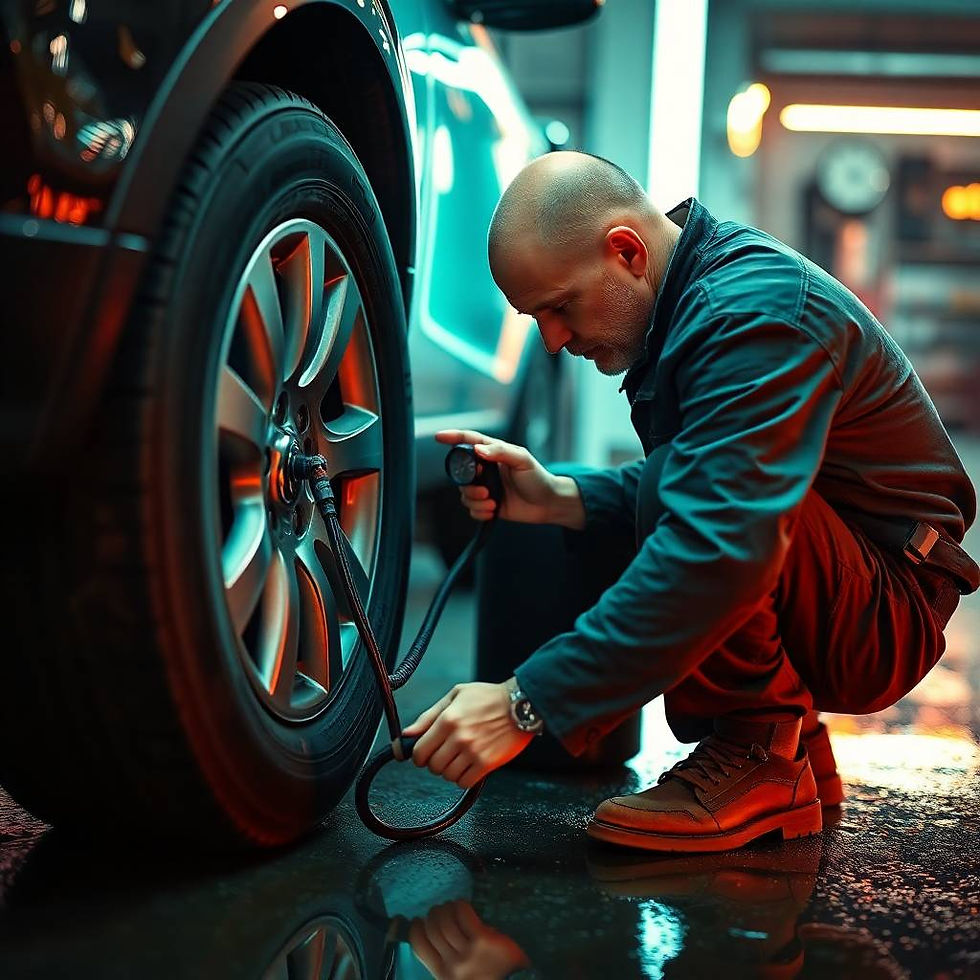
Check your tyre pressure monthly
Under-inflated tyres wear out faster and use more fuel. Over-inflated tyres can affect braking and grip. Your car’s manual (or the sticker inside the driver’s door) will tell you the correct pressure.

Keep an eye on tread depth
The legal minimum is 1.6mm, but anything below 3mm starts to lose grip — especially in the wet. A 20p coin test is a quick way to check.

Rotate your tyres every 6,000–8,000 miles
This helps them wear more evenly, especially on front-wheel drive cars. It also helps spot alignment or suspension issues early.

Don’t ignore odd vibrations or pulling
It could be a sign your wheels need balancing, or your tracking is off — both of which cause premature wear.

Visually inspect tyres regularly
Look out for cuts, bulges, cracks, or embedded debris. These can cause slow leaks or even blowouts.
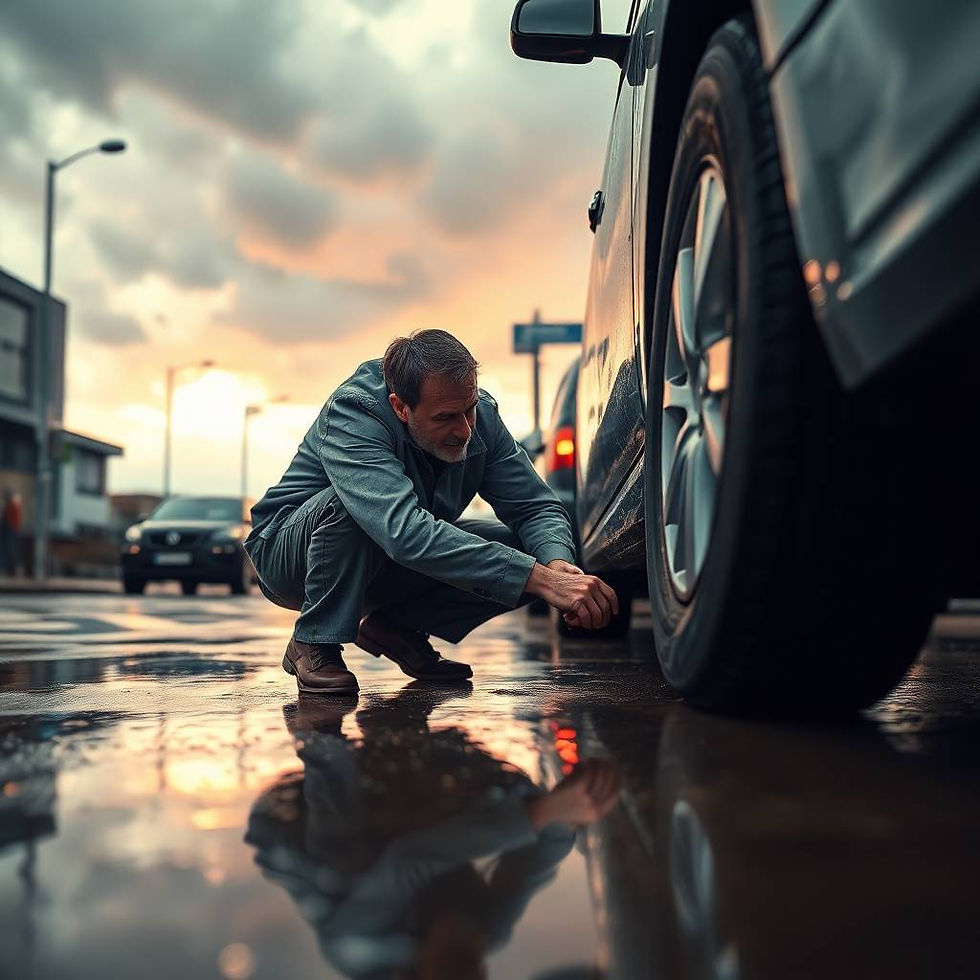
Regular Tyre Checks = Longer Life + Safer Driving
A simple check every month or two can prevent costly problems down the line. And when you do need help, getting tyres professionally fitted and balanced is the best way to protect your suspension, fuel economy, and road safety.
Did you know?
-
Driving with under-inflated tyres can reduce their lifespan by up to 25%
-
Tyres with correct pressure can improve fuel economy by up to 3%
-
Uneven tread can increase stopping distance by over 10m in wet weather
(Source: TyreSafe UK & National Highways)
Want a reminder when it's time to check?
Ask us to send you a seasonal tyre tip — no spam, just smart reminders.
What Should Your Tyre Pressure Be?
There’s no one-size-fits-all answer — the right pressure depends on your car, not just your tyres.
But here’s a general guide based on typical car sizes (for everyday driving with a light load):
Vehicle Type | Typical Front (PSI) | Typical Rear (PSI) |
|---|---|---|
Small cars (e.g. Fiesta, Corsa) | 30–32 PSI | 28–30 PSI |
Medium cars (e.g. Golf, Focus) | 32–35 PSI | 30–33 PSI |
Large saloons (e.g. BMW 5 Series) | 34–38 PSI | 36–40 PSI |
SUVs / 4x4s | 35–40 PSI | 38–42 PSI |
Vans / Light Commercial Vehicles | 40–50 PSI+ | 45–55 PSI+ |
Featured Advice Guides
“Which Tyres Are Right for Me? 10 Questions to Ask Before You Buy”
A lifestyle-led infographic guide to help you narrow down the right tyres for your car, your budget, and your day-to-day life.

“EVs and Tyres: What You Need to Know (That No One Tells You)”
Why EVs go through tyres faster, what makes an EV tyre different, and how to make yours last longer.

“Eco Tyres: Are They Worth It?”
What makes a tyre ‘eco’? Are they really better for fuel economy and the planet — or is it just marketing? We break it down.

Stay Safe: Tyre Checks That Could Save Your Life
Most of us don’t think about our tyres until something goes wrong. But the truth is, a quick check now and then could make all the difference — not just to your wallet, but to your safety too.
Check these four important, but simple elements to look out for.
Quick Safety Tip
If your car feels different — pulling to one side, wobbling, or making a humming noise — get your tyres and tracking checked. It might be nothing… or it might save your skin.

Low tread = less grip
Especially dangerous in wet weather. Anything under 3mm should be on your radar.

Cracks or bulges?
These could mean internal damage or ageing rubber. Don’t ignore them — they can lead to sudden blowouts.

Uneven wear patterns
Often a sign of poor alignment or suspension issues. Catching it early can save you from costly repairs.
Tyre pressure too low?
It affects your steering, braking, and fuel use. Check monthly and before long trips.

Book A Service In Minutes
Get Sorted in Seconds
Flat tyre at the roadside? Need to book a fitting for later?
Skip the search – click the arrow to go straight to Emergency Callout or Book a Service and we’ll get you rolling again.


Tyre Talks
Part blog, part pit stop — real stories, smart advice, and honest help. Everything you didn’t know you needed to know about tyres.




Quick Summary Tyre Hub (Tl;dr)
TL;DR stands for Too Long; Didn’t Read. It’s a short summary of a longer piece of content — so you can get the main idea quickly, without reading the whole thing. It’s also increasingly used for voice-activated assistants like me, to give you fast, spoken summaries when you ask for info. Just say 'Give me the TL;DR,' and I’ll keep it brief.
-
The Tyre Hub is your informative advice centre for tyre care.
-
We cover top FAQs, aftercare tips, and real guides to help you make better tyre choices.
-
Find out how to check pressures, tread, and warning signs — with plain-English explainers.
-
Explore guides on eco tyres, EV tyre care, and choosing the right fit for your lifestyle.
-
You can also ask us questions, browse the blog, or follow our latest jobs via social.
How do I know if I need new tyres?
What’s the difference between budget and premium tyres?
Can I get tyres fitted at home or work?
What should I do if I get a flat tyre at the roadside?
Can I visit your depot instead of booking mobile?
How much should I expect to pay?